Exposing the truth Popular gambling myths finally debunked
Understanding Gambling Myths
Gambling has long been a popular pastime, yet it is often shrouded in myths that can mislead both new and experienced players. Understanding these misconceptions is essential for anyone looking to engage in gambling responsibly. Many people believe that gambling is a surefire way to make money quickly, leading them to develop unrealistic expectations about their potential winnings. The reality is that gambling is primarily a game of chance, and while some strategies can enhance your play, they don’t guarantee success. When you explore the top options, you’ll find the best betting sites not on gamstop to help you start on the right foot.
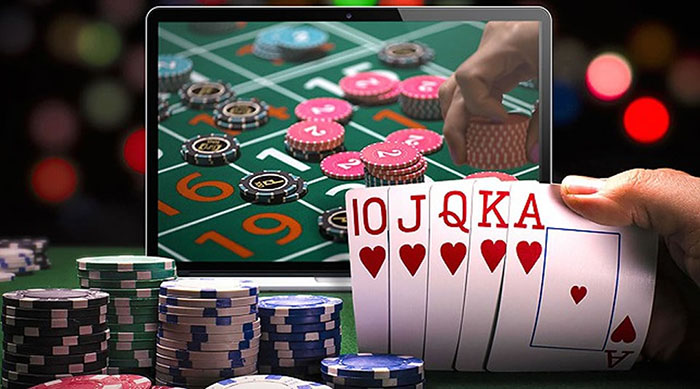
Another common myth is that certain games are “hot” or “cold” depending on recent outcomes. Players may avoid games that appear to be losing streaks, convinced that they are less likely to win. However, each outcome in games like slots or roulette is independent of previous results, governed entirely by random number generators. This myth can lead players to make poor decisions based on faulty reasoning instead of understanding the odds and probabilities involved.
Additionally, the belief that one can “beat the house” through specific strategies or tricks is widespread. Many think that if they study the game intensely or track patterns, they can turn the odds in their favor. While knowledge can certainly improve one’s gameplay, it is crucial to recognize that the house always has a statistical advantage in the long run. Debunking these myths can help players approach gambling with a clearer mindset, ultimately leading to a more enjoyable experience.
The Gambler’s Fallacy Explained
The Gambler’s Fallacy is a common misconception that can lead players to make irrational decisions. This fallacy arises from the belief that past events can influence future outcomes in random games. For instance, if a roulette wheel lands on red multiple times in a row, a player might incorrectly assume that black is due to come up next. This misunderstanding of probability can lead to significant losses as players chase their bets without considering the real odds.
It’s important to note that each spin of a roulette wheel or each hand of cards is an independent event. The odds remain the same regardless of previous results, meaning that no outcome can influence the next. Understanding this concept can help players make more informed decisions, allowing them to focus on the odds rather than unfounded beliefs about hot streaks or cold streaks.
By recognizing the Gambler’s Fallacy, players can avoid making emotional bets based on recent events, which often leads to a cycle of chasing losses. Instead, adopting a disciplined approach rooted in statistical understanding can lead to a more strategic and enjoyable gambling experience. Remember, informed decisions backed by an understanding of probabilities can enhance your chances of success, while myth-driven choices typically result in disappointment.
Debunking the Myth of ‘Guaranteed Winning Strategies’
Many gamblers believe that there are specific strategies that can guarantee them a win, particularly in games of skill like poker or blackjack. While skill does play a significant role in these games, there is no strategy that can guarantee a win every time. Even the most seasoned players experience losses, as luck and unpredictability are integral parts of gambling. This misconception can lead newcomers to take unnecessary risks and invest more money than they can afford to lose.
One popular myth is that players can predict outcomes based on previous hands or rounds. For example, some poker players believe that by analyzing the behavior of other players and the cards they have seen, they can formulate a winning strategy. However, this often overlooks the essential element of chance. Although strategies can improve overall performance, they cannot eliminate the inherent unpredictability of gambling.
Moreover, the allure of guaranteed winning strategies can draw players into scams or betting systems that promise impossible returns. Many individuals may find themselves investing time and money into methods that are ultimately ineffective. By debunking the myth of guaranteed strategies, players can approach gambling with a realistic mindset, acknowledging that while strategies can enhance gameplay, the outcome is never guaranteed.
The Illusion of Control in Gambling
A prevalent myth among gamblers is the belief that they can exert control over random outcomes through skill or techniques. This illusion of control often manifests in practices such as card counting in blackjack or betting patterns in roulette. While these techniques can provide a slight edge, they do not provide any guarantee of success. Understanding the limitations of these practices is crucial to fostering a healthy gambling mindset.
For instance, while card counting can improve a player’s odds in blackjack, casinos are well aware of this technique and often employ countermeasures, such as using multiple decks or shuffling frequently. This response illustrates the unpredictable environment of gambling, where the house continually adapts to player strategies. Acknowledging that randomness cannot be controlled is essential for avoiding frustration and disappointment.
The belief that one can control gambling outcomes can lead to risky behaviors, such as chasing losses or increasing bets to recover from a bad streak. This mindset can quickly spiral into addiction and financial troubles. By debunking this myth, players can cultivate a more balanced and responsible approach to gambling, understanding that embracing randomness is part of the game and should be accepted.

Finding Your Path in Responsible Gambling
Understanding the truths behind popular gambling myths can significantly enhance the experience for both beginners and seasoned players. By debunking misconceptions like the Gambler’s Fallacy and the illusion of control, individuals can make informed decisions that promote responsible gambling practices. The goal should be to enjoy the experience rather than chase unrealistic expectations of winning big.
Additionally, recognizing the importance of bankroll management is fundamental to a healthy gambling approach. Setting budgets, knowing when to walk away, and treating gambling as entertainment rather than a source of income can help mitigate risks. Understanding the odds of different games will also enable players to make smarter choices, enhancing the overall experience.
For those seeking a more structured path, resources are available that provide comprehensive guides on responsible gambling practices. By staying informed and maintaining realistic expectations, individuals can enjoy gambling safely while minimizing potential pitfalls associated with common myths. Embracing the truth in gambling allows players to engage in the activity responsibly and enjoyably, leading to a more fulfilling experience.